
If you have ever prepared a meal, placed it in front of your child, and immediately heard, “I don’t like it,” before they have even taken a bite, you are not alone.
Having a picky eater can make mealtimes feel exhausting. You may find yourself preparing separate meals, negotiating for “just one bite”, or worrying that your child is not eating enough.
And after a long day of work, school runs, childcare drop-offs, and everything else that needs to get done, most mums do not have the energy for a 45-minute debate over three pieces of broccoli.
The good news is that picky eating is a common challenge for many families. While every child is different, there are practical ways to make mealtimes feel less stressful without turning food into a daily battle.
Understand That Picky Eating Can Be Part of Growing Up

Many children go through phases of being more selective about what they eat.
A child who happily ate something last month may suddenly refuse it today. They may prefer familiar foods, reject foods with certain textures, or decide that anything green is immediately suspicious.
This can be frustrating, but it does not always mean you are doing something wrong.
Children’s appetites can change from day to day, and their willingness to try different foods may also depend on their mood, routine, and level of tiredness.
Instead of judging one meal in isolation, look at your child’s eating habits over a longer period. Some days, they may eat more. Other days, they may eat surprisingly little.
If you have concerns about your child’s growth, nutrition, or eating habits, speak with a qualified healthcare professional for personalised advice.
Keep Mealtimes Calm and Avoid Too Much Pressure
When you are worried about whether your child is eating enough, it can be tempting to persuade, bribe, or repeatedly ask them to take another bite.
But too much pressure can sometimes make a picky eater even more resistant.
Try keeping the conversation around food calm and neutral. You can encourage your child to try something, but avoid turning every meal into a test.
For example, instead of:
“You can’t leave the table until you finish your vegetables.”
You could try:
“You don’t have to eat it, but you can leave it on your plate.”
The goal is not to make your child love every food immediately. It is to help them become more comfortable seeing, touching, smelling, and eventually tasting unfamiliar foods.
It may take several attempts before a child is willing to try something new, and that is okay.
Looking for more practical parenting help for everyday family challenges? Get practical tips from Singapore Mummy and make mum life a little easier.
Continue Serving Familiar and New Foods Together
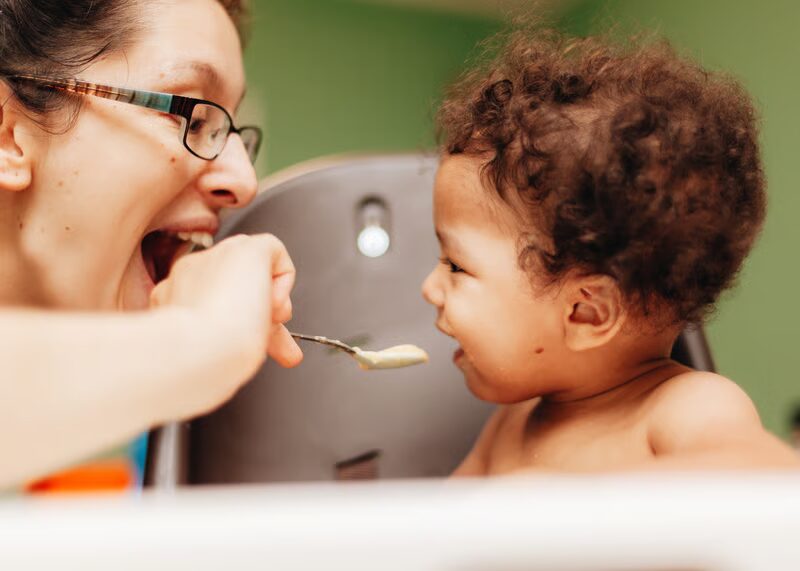
Introducing new foods does not have to mean removing everything your child already likes.
A practical approach is to serve a small amount of a new or less familiar food alongside foods they usually accept.
For example, if your child enjoys rice and chicken, you could add a small serving of a new vegetable to the plate.
This can feel less overwhelming than serving an entire meal made up of unfamiliar foods.
Keep portions of new foods small at first. A large serving can sometimes feel intimidating, particularly for younger children.
You can also continue offering a food over time without forcing your child to eat it. Familiarity can make a difference.
Just because your child rejected something once does not necessarily mean they will always dislike it.
Let Your Child Be Involved in Food Preparation
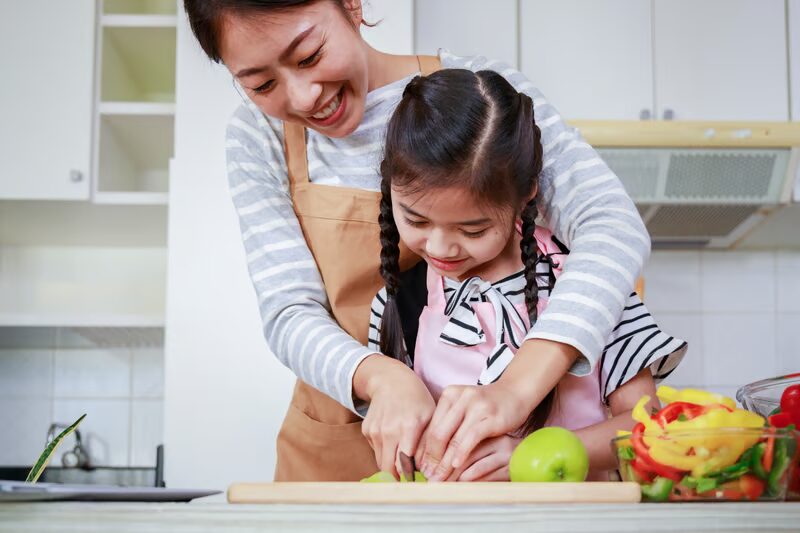
Children may be more interested in food when they have helped prepare it.
Depending on their age, they can take part in simple tasks such as:
- Washing fruits and vegetables
- Stirring ingredients
- Choosing between two meal options
- Placing ingredients on a plate
- Helping pack their own snack
A trip to the supermarket or wet market can also become an opportunity to talk about different foods.
Let your child choose one fruit or vegetable they would like to try. They may still refuse to eat it later, and yes, that can be frustrating, but involving them in the process can help food feel more familiar.
You do not need to turn every meal into a cooking activity. Even small moments of involvement can help.
Avoid Preparing a Different Meal for Everyone
When one child refuses dinner, it can be tempting to immediately prepare another meal just to make sure they eat something.
And sometimes, after a particularly long day, that may be the choice that helps everyone get through dinner. No judgement.
But preparing multiple meals every day can quickly become exhausting.
Where possible, try serving one family meal with at least one food your child usually accepts. You can make small adjustments to portions or ingredients without becoming a short-order cook for everyone at the table.
For example, if the family is having noodles with vegetables, you could serve the components separately for a younger child who dislikes foods being mixed together.
This gives your child some familiarity while still allowing them to see and gradually become comfortable with the rest of the meal.
Make Mealtimes About More Than Just Eating

Mealtimes are also a chance for families to slow down and connect, even if it is only for a short while.
Instead of focusing every conversation on what your child has or has not eaten, try talking about other things.
You could ask about:
- Something funny that happened at school or childcare
- Their favourite part of the day
- Something they are looking forward to
- A game everyone can play at the table
When food becomes the only focus, children may start to feel pressure around eating.
Keeping mealtimes relaxed can help children develop a more positive relationship with food while making dinner feel less stressful for everyone else.
Of course, not every family meal will be calm. There will still be rushed weekday dinners, tired children, and evenings when everyone is eating at different times.
That is normal too.
Need more realistic advice for everyday parenting in Singapore? Explore Singapore Mummy for practical tips and helpful solutions.
Be Patient With Progress and Know When to Seek Help
Helping a picky eater usually takes time.
Some children may become more open to different foods quickly, while others need repeated exposure over a longer period. Try to focus on small changes rather than expecting your child to suddenly enjoy every food on their plate.
Maybe they touched a new food. Maybe they smelled it. Maybe they took one tiny bite.
Those moments can still be part of the process.
At the same time, trust your instincts. If you are concerned about your child’s nutrition, growth, swallowing, extreme food restrictions, or other eating difficulties, seek advice from a qualified healthcare professional.
Getting support does not mean you have failed. Sometimes, you simply need guidance that is specific to your child.
Final Thoughts
Having a picky eater can test your patience, especially when mealtimes happen after a busy day and everyone is already tired.
Try to keep things practical. Offer familiar and new foods together, avoid putting too much pressure on eating, involve your child where possible, and remember that progress does not always happen in one meal.
Most importantly, do not judge your parenting based on how many vegetables your child ate at dinner today.
Some meals will go well. Others may end with most of the food untouched.
That does not mean you are failing.
Parenting involves plenty of trial and error, and feeding your child is no different. Give yourself some patience too, and focus on creating a calmer, more positive approach to food over time.
Looking for trusted advice for the everyday challenges of family life? Discover practical advice from Singapore Mummy and find helpful solutions that make parenting a little easier.