Parenting in the digital age can feel like a mini adventure. One moment your child is busy doing something, and the next they’re suddenly asking for YouTube, TikTok, or “one more game, please!”
Screens are part of everyday life, but with a few simple strategies, managing screen time doesn’t have to be hard. In this article, we’ll share easy, friendly tips to help your family enjoy technology without letting it take over.
Understanding Screen Time

In today’s digital world, screens are everywhere and kids love them. Screen time can mean anything from watching videos and playing games to learning through apps or chatting with friends online.
Not all screens are the same:
- TVs are great for family shows or educational programs.
- Tablets and smartphones allow kids to interact, learn, draw or explore apps.
- Gaming devices can be fun but sometimes keep kids hooked for hours.
When parents know what kind of screen time their child is getting, it becomes much easier to guide them toward healthier digital habits without making screens the “enemy.”
Once parents understand the types of screen time their child is exposed to, setting clear and healthy boundaries becomes much easier.
Setting Healthy Screen Time Rules

Sources: Envato
Kids feel more secure when they know what the rules are, especially when it comes to screen time. Creating simple and clear guidelines helps keep things balanced without turning it into a daily argument.
Here are some easy family-friendly ideas:
- Set limits: Decide how much screen time is allowed for each day.
- Create “screen-free” zones: For example, no screens during meals or right before bedtime.
Use a routine: Let kids know when they can enjoy screens, like after homework or chores.
With clear rules in place, children are better prepared to learn how to manage screen time on their own.
Helping Children Learn Self-Control With Screens
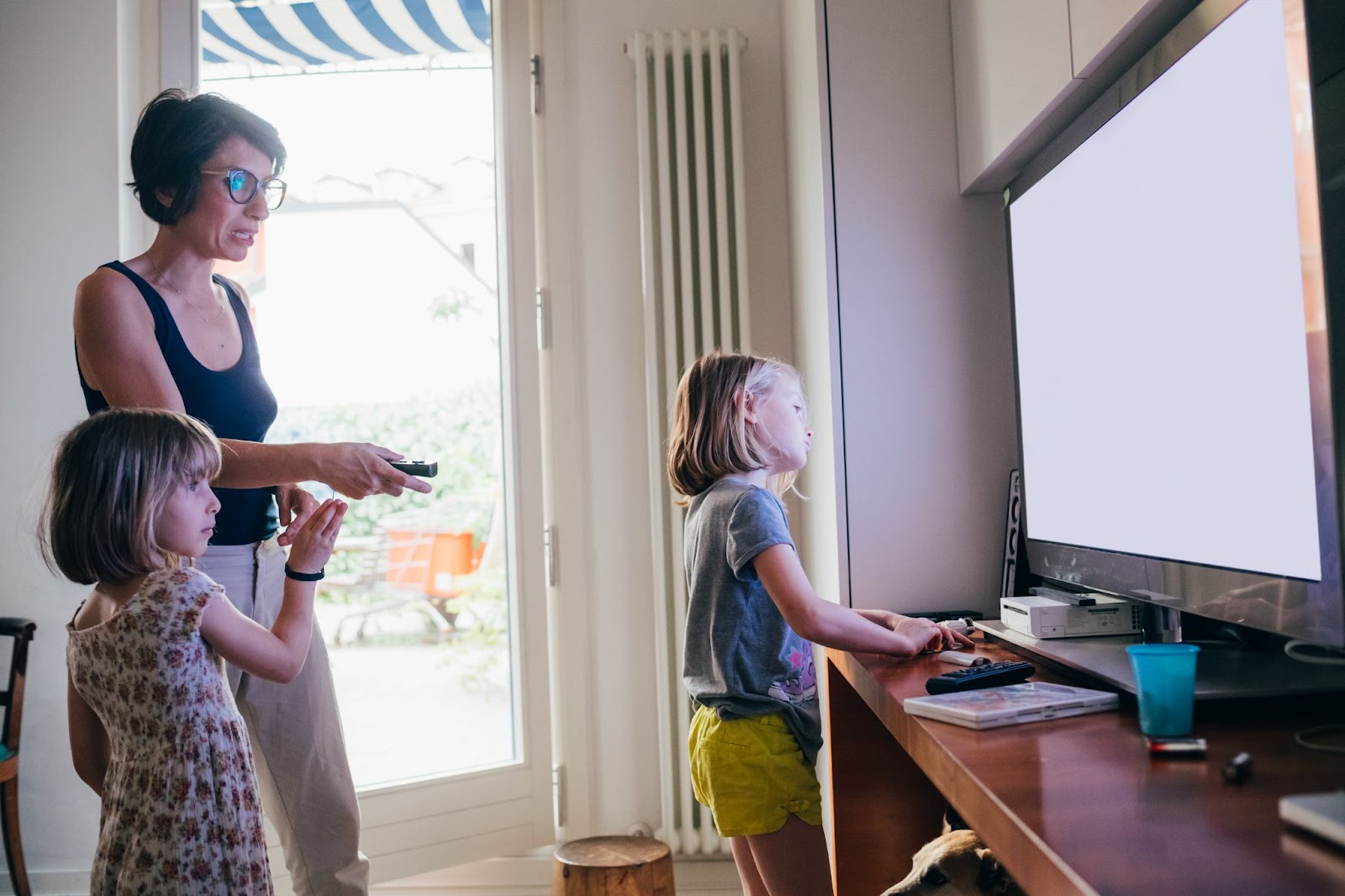
Once screen time starts feeling positive instead of stressful the next goal is helping children learn when to stop on their own.
Pay attention to the little signs your child might be ready for a break:
- Rubbing their eyes
- Getting fidgety
- Feeling frustrated over small things
When children feel trusted rather than controlled, they’re more likely to cooperate and build healthier habits naturally. These moments are perfect opportunities to reset and step away from the screen without turning it into a struggle.
Parents can support this by keeping routines predictable and using screen time parental control tools.
Using Screen Time Parental Control Tools Wisely

Screen time parental control tools can be a big help for busy parents. These tools allow you to manage screen use without constantly saying “no,” which often leads to arguments.
Many devices already offer built-in parental control features that allow you to:
- Set daily time limits
- Block inappropriate content
- Schedule device downtime
- Monitor app usage
When used thoughtfully, parental controls act as a safety net rather than a restriction. They help children understand boundaries while giving parents peace of mind.
The key is to explain these tools openly, so kids see them as part of a healthy routine rather than a form of punishment.
Making Screen Time Positive and Fun

Screen time doesn’t have to be something parents worry about; it can actually be meaningful and enjoyable when used wisely.
Try encouraging activities like:
- Educational apps and videos
- Creative tools like drawing, music or coding apps
- Connecting with family and friends through video calls
Getting involved also makes screen time more meaningful. Sitting with your child, asking questions or letting them show you something they’ve created turns digital time into shared time.
When screen use is balanced with real-life activities, children naturally develop healthier habits and families enjoy a smoother and happier routine.
Encouraging Balance Beyond the Screen

Even when screen time feels under control, it’s still important to encourage kids to spend time away from their devices.. Children thrive when they have space to move, explore and connect with others face-to-face and no screens required.
Try mixing screen time with simple offline activities such as:
- Outdoor play like cycling, walking or just running around in the fresh air
- Reading together before bedtime
- Board games and puzzles that encourage thinking and family interaction
- Helping with small household tasks, which builds confidence and responsibility
- Creative play such as drawing, colouring or building with toys
These everyday moments do more than fill time. They strengthen family bonds, boost creativity, and remind children that fun doesn’t always come from a device.
Conclusion
Screen time doesn’t have to be a daily showdown. With a few simple rules, a bit of creativity, and plenty of patience, parents can turn tech time into something healthy and positive. It’s all about balancing enough screen time to learn and have fun.
Find that balance and everyone wins: happy kids, confident parents and a much smoother digital journey together.
For more parenting tips, real-life stories and helpful advice, visit here!😊