Keeping children busy at home can sometimes feel like a full-time job, especially when you are trying to juggle work, household chores, meals, and everything else that comes with family life.
The good news is that learning at home does not always need worksheets, expensive toys, or a perfectly planned schedule. Some of the best kids activities can be simple, practical, and built around things you already have at home.
Whether you are looking for something to do after school, during the school holidays, or on a rainy afternoon when everyone is starting to get restless, these activities can help children learn while still having fun.
Turn Everyday Chores Into Learning Activities
Not every learning activity needs to look like a lesson.
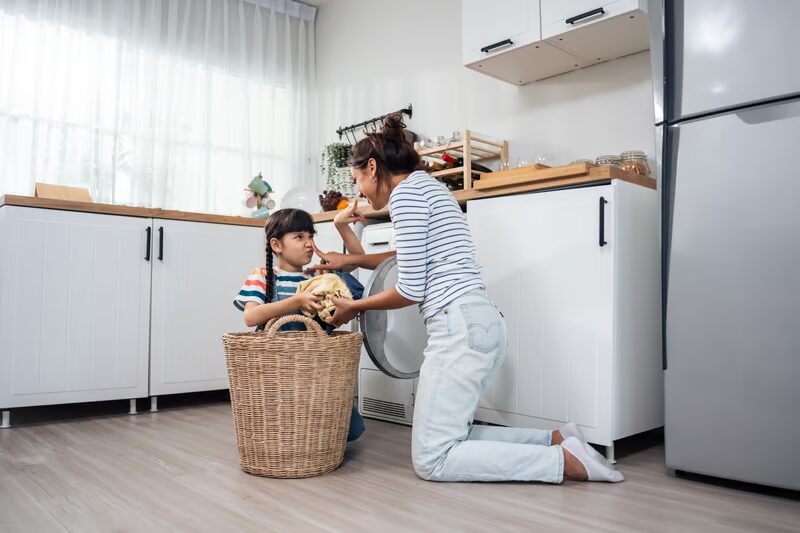
Simple household tasks can help children practise important skills while also giving them a small role in everyday family life.
Depending on your child’s age, you could ask them to:
- Sort and fold laundry
- Match socks
- Help set the table
- Count fruits or vegetables while unpacking groceries
- Organise toys by colour, size, or type
- Help measure ingredients while cooking
For example, cooking can introduce children to counting, measuring, following instructions, and basic problem-solving. Sorting laundry can help younger children recognise colours and patterns.
It may not always be faster when children “help”, and yes, you may need to clean up afterwards. But involving them in small tasks can make everyday routines more meaningful while giving them a chance to learn practical life skills.
Use Storytelling to Build Language and Creativity
Storytime does not always have to mean reading a book from start to finish.
Try asking your child to create their own story. You can give them a simple starting point, such as:
- “One day, a cat found a mysterious box…”
- “If you could fly anywhere in Singapore, where would you go?”
- “Imagine your favourite toy could talk for one day…”
Let them decide what happens next.
For younger children, you can take turns adding one sentence at a time. Older children can write down their story, draw pictures, or even turn it into a short comic.
This activity can support language development, imagination, and confidence in expressing ideas. It also requires very little preparation, which is helpful on days when you need an activity quickly.
Looking for more everyday parenting help? Get practical tips from Singapore Mummy to make mum life a little easier.
Try Simple Science Activities at Home
Children are naturally curious, and simple experiments can encourage them to ask questions and explore how things work.
You do not need a full science kit to get started. Try easy activities using common household items, such as:
- Testing which objects float or sink in water
- Observing how ice melts
- Growing beans or herbs
- Mixing colours with water and food colouring
- Making a simple baking soda and vinegar experiment
Before starting, ask your child what they think will happen. Afterwards, talk about what they observed.
The goal is not to turn your home into a science classroom. It is simply to encourage curiosity and help children understand that asking questions is part of learning.
For younger children, always supervise activities involving water, small objects, or household ingredients.
Get Moving With Indoor Physical Activities
Singapore’s weather can make outdoor plans unpredictable. A sudden downpour or a particularly hot afternoon can mean staying indoors more often than expected.
When children have been sitting for too long, a simple movement activity can help them burn off some energy.
Try:
- A mini dance party
- An indoor obstacle course using cushions and chairs
- A game of “Simon Says”
- Follow-the-leader
- Animal movement games, such as hopping like a frog or walking like a crab
If you live in an HDB flat or apartment, the activity does not need to involve lots of jumping or running. Even simple stretching, dancing, and movement games can get children moving without turning the living room upside down.
Short movement breaks can also make it easier for children to return to quieter activities afterwards.
Encourage Learning Through Arts and Crafts
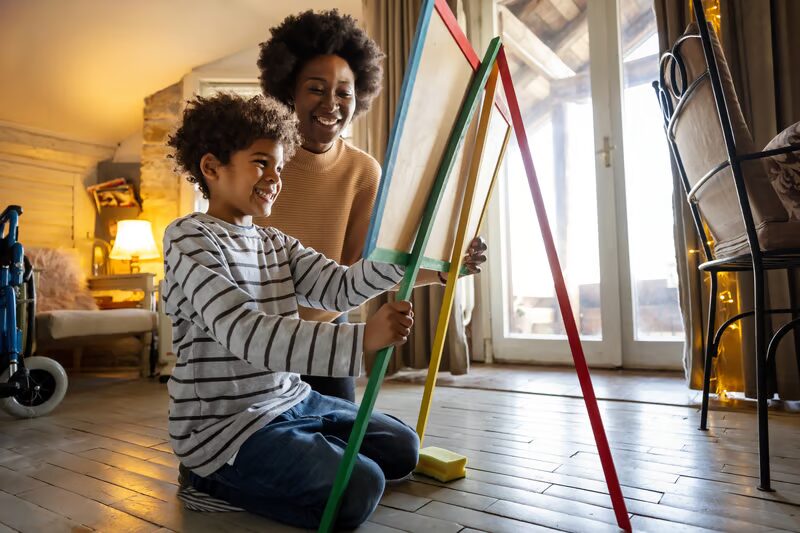
Arts and crafts can give children a chance to create, experiment, and express themselves.
Instead of worrying about making something that looks perfect, focus on the process. Give your child basic materials and let them decide what to create.
You could use:
- Paper and coloured pencils
- Cardboard boxes
- Recyclable materials
- Stickers
- Old magazines
- Safe household items for crafting
For example, a cardboard box can become a robot, a shop, a rocket, or anything else your child imagines.
These kids activities can support creativity and fine motor skills while giving children some independence to make their own decisions.
And if the final project looks nothing like the example you found online, that is completely fine.
Explore Singapore Without Leaving the House
Learning about Singapore can also start at home.
You could look at a map together and ask your child to find familiar places, such as your neighbourhood, school, or places your family has visited. Talk about different parts of Singapore, local foods, cultures, languages, and everyday places children recognise.
You can also turn a family outing into a learning activity. Before visiting somewhere new, encourage your child to learn a little about the place and ask questions while they are there.
For example, a trip to the market, library, or neighbourhood park can become an opportunity to learn about food, books, plants, people, or the local community.
Need more practical ideas for family life in Singapore? Explore the guide at Singapore Mummy for helpful solutions and everyday parenting tips.
Create a Simple Routine Without Overplanning
When children are spending more time at home, it can be tempting to fill every hour with activities.
But you do not need to become your child’s full-time teacher or activities coordinator.
A simple routine can be enough. For example, you might include:
- One creative activity
- One physical activity
- Some quiet or independent play
- Reading time
- Time to help with a household task
Leave room for rest, boredom, and unplanned play too.
Children do not need to be constantly entertained to learn. Sometimes, being a little bored can encourage them to use their imagination, explore their surroundings, or come up with their own games.
The goal is not to create a perfectly productive day. It is to give your child opportunities to learn, play, and enjoy time at home without adding more pressure to your already busy day.
Final Thoughts
The best kids activities are not always the most expensive, complicated, or carefully planned ones. Everyday tasks, storytelling, simple experiments, movement, crafts, and local exploration can all give children opportunities to learn while having fun.
For busy mums, the key is to keep things realistic. You do not need to prepare a new activity every day or turn your home into a classroom. Start with what you already have, involve your child in everyday routines, and choose activities that fit your family’s time and energy.
Some days, a well-planned craft might happen. Other days, reading a book together or letting your child help prepare dinner may be more than enough.
Want more practical parenting tips for everyday family life? Discover practical advice from Singapore Mummy and make parenting in Singapore a little easier.